Guides
Coffee shop site selection: a four-round method
Coffee shop site selection in four rounds: screen an area, count block traffic, confirm local approvals, then test the unit’s layout.
What to take away
- For coffee shop site selection, choose by elimination, not by attraction. The unit you fall in love with on a viewing is the one you stop checking.
- Four rounds, each with its own reason to stop. Later rounds cost more, so kill candidates early.
- Round one costs nothing and removes most of the map.
- Do not compare a site you have counted against a site you have only walked past.
- Stop looking when a candidate clears all four rounds. Continuing after that is how people talk themselves into worse sites.
Round one: the area, on paper
Use the U.S. Census Bureau’s American Community Survey to screen residential and commuting patterns, and city, county, or state Department of Transportation traffic counts to understand vehicle routes where available. Google Maps can help locate transit stops, public parking, and nearby coffee shops; Google Popular Times, when available for a business, is only a directional clue. These sources narrow the map, but none substitutes for a pedestrian count at the frontage. Record the data vintage or the date you checked it.
Rule out areas where the morning flow is by car at speed with nowhere to stop, where the population arrives after ten, or where the only anchor is a single employer. Check whether customer parking is usable and whether transit service runs during your intended hours; a map pin alone does not establish access. Visit competing coffee shops during your intended peak and note queues and visible occupancy. Competition is context, not an automatic disqualifier, and there is no universal foot-traffic threshold: compare candidates using the same tally method in round two. One employer is one decision away from being your whole problem.
This round is free and it removes most of the map. Do it before you talk to any agent.
Round two: the block, with a tally counter
Now count. Stand at a fixed point on each surviving block, on two separate weekday mornings, and count passers by in five minute buckets, in each direction separately.
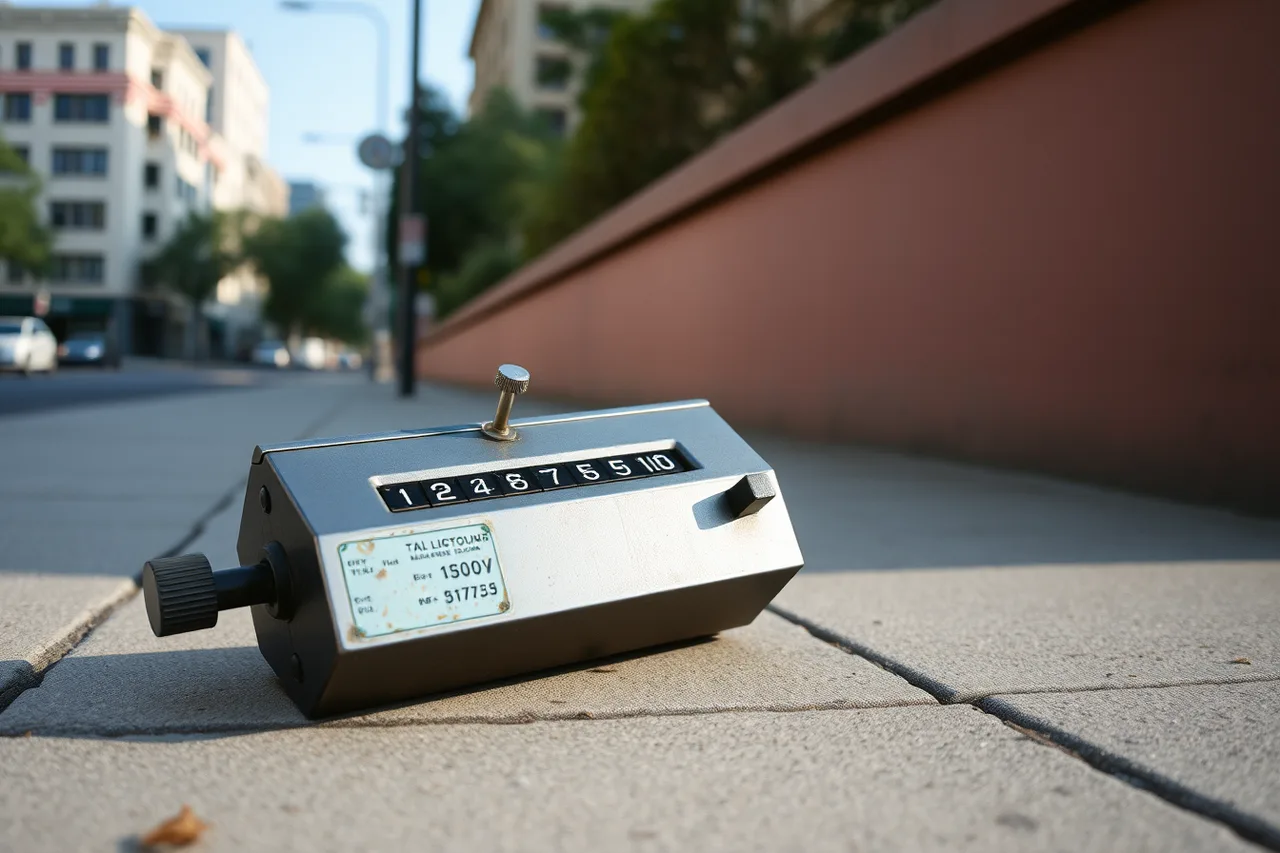
What ends a candidate here: flow that is far below the others, flow moving the wrong way, or a crossing between the flow and the frontage. A road that people will not cross at half past seven is a wall.
Record the counts on the spot. Two blocks compared from memory a week later is not a comparison.
Round three: the unit, with two written questions
Only now spend money and time. For each surviving unit, ask two questions and wait for written answers.
- The local planning or zoning office and building departmentwhich zoning ordinance governs this address, is a coffee shop allowed by right or does it need a conditional use permit (sometimes called a special use permit), and does the proposed drive-through, seating, or extraction change the answer? Ask whether a current certificate of occupancy covers the intended use and whether proposed alterations need a building permit. Get the exact local permit names and written answers; terminology and requirements vary by jurisdiction.
- The landlordwhat are the electrical supply, water supply, and drainage, and where does delivery access run?
A no on whether the intended use can be approved ends the candidate. A vague answer about utilities or access is a reason to pay for a survey or to walk. Everything else about a unit can be negotiated; these two cannot be talked into existence.
The local health department is the third call, with your menu in hand. Ask whether the menu and equipment require plan review, a food establishment or retail food permit, and a pre-opening inspection. Check with the responsible local wastewater or building authority about grease-interceptor requirements if your planned equipment or menu may trigger them.
The FDA Food Code (2022) is a model, not your rule. Ask the health department which state or local retail food code and edition it has adopted, and whether county requirements add conditions. The FDA lists state retail and food service codes, but the authority with jurisdiction—often a city or county health department—matters most. Confirm the zoning and building approvals first, then follow the health department’s plan-review, permit, and inspection process.
Round four: the fit, drawn on a plan
For the one or two units left, draw three lines on the floor plan: entry to the back of the queue, queue to the register, and the handoff point where finished drinks appear. Add a separate spot for mobile order pickup.
If those cross, the room jams during the block that carries the day. If they fit, check the fixed items.
Ceiling height, ventilation route, door width and delivery path decide the build, and so does storage volume, measured against a week of milk and beans. It is the one people underestimate and ties directly to how much stock the shop has to hold.
Accessibility is decided here too, before the counter is drawn. The Department of Justice's ADA Guide for Small Businesses explains how it frames small business obligations and what applies when a space is altered. Take a qualified professional's advice on the actual design.
What ends a candidate at each round
| Round | Cost to you | The disqualifier |
|---|---|---|
| Area | Nothing | Wrong hours, wrong direction, single anchor |
| Block | Two mornings | Low or misdirected flow, a crossing in the way |
| Unit | Emails and a survey | Use not permitted, or supply that cannot carry the equipment |
| Fit | A plan and a visit | Flows that cross, or a fixed fault that cannot be changed |
Applying the rounds in order is what keeps the search cheap. Reversing them, which is what happens when an agent shows you a unit first, means you spend the survey money on candidates that round one would have removed.
When the shortlist is empty
Widen the format rather than lowering the standard. A kiosk, a smaller unit, or a different daypart may fit a block that will not take a full counter. That is a different business with different economics, so reconsider it from the top rather than squeezing it into the old plan.
Two other constraints deserve a check before you restart. Whether you can staff the site early in the morning, which shapes how you recruit and hold bar staff. And whether the area could ever support more than one shop, which matters if a second location is part of the plan.
Common questions
How long should a search take?
As long as round one and round two need, which is weeks rather than months if you are disciplined. Searches drag when candidates are kept alive without being counted.
Should I use an agent?
For access to units, yes. For judgment, no. An agent's shortlist starts at round three, and rounds one and two are the ones that save you.
What if a site is good but the rent is high?
Convert it to a cost per open hour and compare it against the flow you counted. At minimum, divide the rent for a period by the scheduled open hours in that same period. For a fuller comparison, add the same recurring occupancy costs for each site before dividing, and compare like periods with the corresponding pedestrian counts. Rent is only expensive relative to what passes the door during the hours you are open.