Guides
Cold-weather cafe operations in the US North, an overview for Minneapolis and Boston owners
This cafe guide covers cold weather cafe operations in Minneapolis and Boston, from heating budgets and winter foot traffic to menus, snow-day staffing and delivery.
What to take away
- Winter hits heating, slower mornings and snow-day labor in the same weeks, so plan those three together.
- Minneapolis runs colder and drier than Boston, so heating loads and foot traffic forecasts diverge even when both cities see the same holiday rush.
- Seasonal menus should lean on drinks and baked goods that hold margin when milk, cocoa and produce prices move.
- Snow-day scheduling works better as a written call-in policy than as a group chat decision at 5 a.m.
- Delivery, pickup and catering can carry a northern cafe through January and February when walk-in counts fall.
How northern winters reshape cafe foot traffic forecasts
Winter does not kill cafe traffic in the US North. It moves it. Morning commuters still buy coffee, but they buy it closer to home, closer to the train, or through a window instead of at a table.
Winter traffic: Minneapolis vs Boston
Minneapolis
- Demand spread
- Wider neighborhood nodes
- Storefront swings
- Sharper swings
- Lost seating
- Patio and sidewalk
- Forecast bands
- Base, cold, storm
Boston
- Demand spread
- Downtown and students
- Storefront swings
- More stable daytime
- Lost seating
- Patio and sidewalk
- Forecast bands
- Base, cold, storm
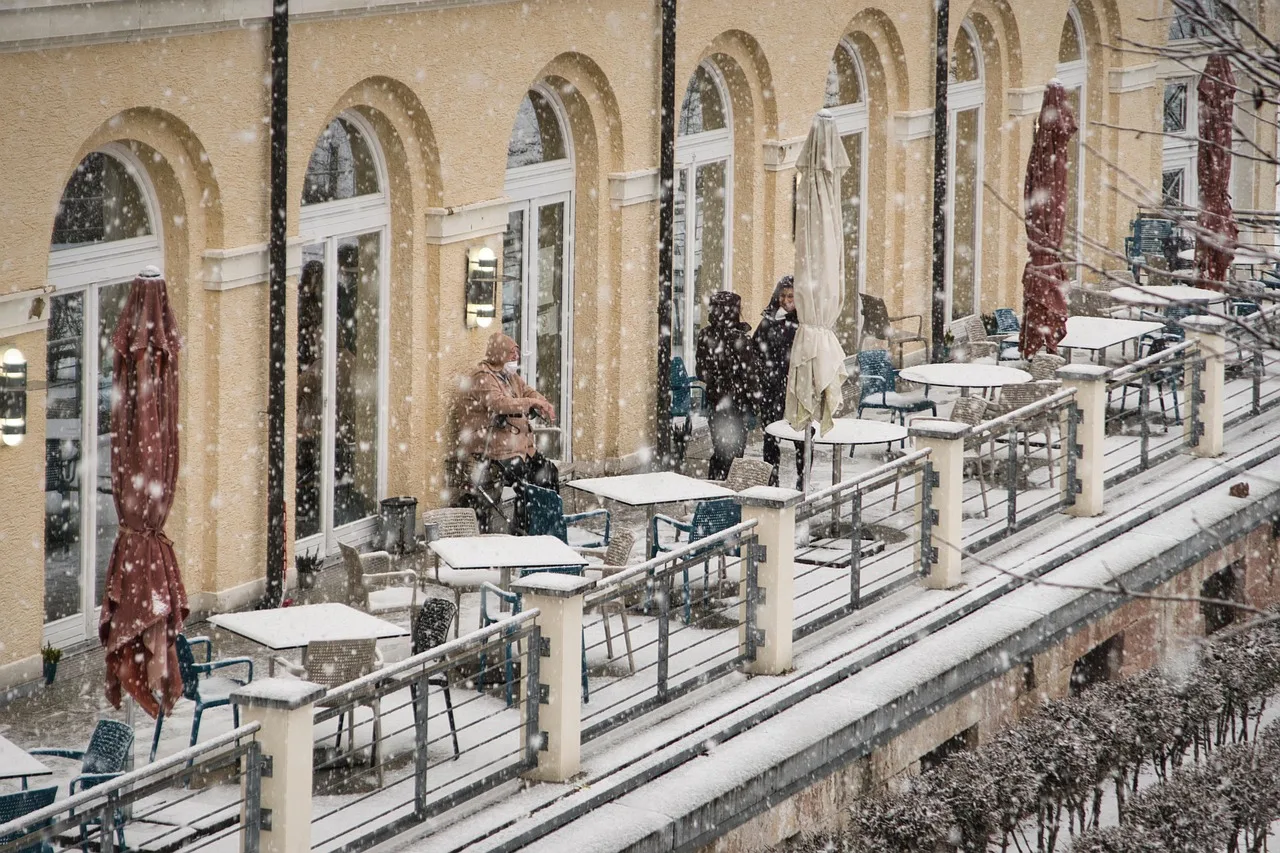
Minneapolis and Boston both lose patio seating and sidewalk impulse stops once the first hard freeze arrives. Boston holds more of its daytime population because of students and downtown offices. Minneapolis spreads demand across a wider set of neighborhood nodes, so a single storefront sees sharper swings.
Minneapolis demand splits across the North Loop, Uptown, Linden Hills and Northeast, while Boston volume concentrates in Back Bay, Beacon Hill, the Seaport and around the universities in Cambridge and Allston.
Across the US North, cafe owners in Minneapolis and Boston face the same forecasting job: rebuild the winter week from last year's numbers, not from a national average. Pull three winters of data if you have them. Tag each week with a weather note: snow event, deep freeze, thaw. Patterns show up fast, usually within two seasons.
A workable forecast uses three bands. Base case assumes normal weather for the month. Cold case assumes more days below freezing than usual. Storm case assumes two or more disruptive snow events. Set labor and prep against the base case, and keep a written trigger for the other two.
Winter foot traffic forecast is really a weather forecast with a sales multiplier. Track it monthly rather than daily, and review it against your monthly KPI routine so the numbers stay honest.
What changes between December and February
December is a holiday month in both cities: catering, gift cards and larger tickets. January is the trough. February is the recovery month, helped by Valentine's Day and by customers tiring of their own kitchens.
Plan cash for January before December ends. That single move prevents most northern cafes from starting spring with a line of credit they did not want.
Heating costs and energy budgeting for Minneapolis and Boston cafes
Heating cost budgeting starts with the building, not the thermostat. A cafe in a converted older storefront in Boston or a Minneapolis commercial strip can lose a large share of its heat through the entryway, single-pane glass and an uninsulated basement.
Get one year of utility data and divide it into heating degree days. Your utility can usually supply usage history by month. Compare gas or electric spend per square foot against a similar-sized cafe nearby. If you are far above, the problem is the envelope, not the price per therm.
Typical ranges put heating in a northern cafe at about 1.00 to 2.00 dollars per square foot per year. January alone can carry roughly a fifth of it. Minneapolis-Saint Paul averages about 7,500 heating degree days a year against about 5,600 in Boston.
Commercial electricity typically bills near 16 to 20 cents per kWh in Massachusetts and 11 to 14 cents in Minnesota. The envelope, ceiling height, door traffic and open hours decide where your number lands.
Budget heating as a line item that doubles in the coldest months, not as a flat monthly cost. In Minneapolis, expect the peak to run longer. In Boston, expect a milder peak but higher overall electricity rates.
Keep indoor conditions safe as well as warm. The OSHA heat overview covers hot kitchens and dish pits. The same logic runs in reverse here: staff who move between a hot line and a cold front of house need water, breaks and dry layers.
Practical steps to cut the bill
Cut the heating bill
- Seal front door with brush or magnetic strip
- Add second door or air curtain at vestibule
- Set heating schedule to match open hours
- Service furnace or boiler before November
- Insulate exposed pipes
Seasonal menus that hold margin in cold months
A seasonal cafe menu in the north should be shorter, hotter and easier to execute with cold hands. Fewer SKUs mean faster tickets, less waste and less training load when a new hire covers a snow shift.
Winter mocha margin squeeze
- 5.0012 oz mocha price
- 1.60October ingredient cost
- 1.79January ingredient cost
- 64%January gross margin
Drinks carry winter margin better than food in most cafes. Espresso, milk, cocoa and syrups are stable inputs you can portion precisely. Fresh produce and cold sandwiches are not. Push the drinks, keep the food simple.
Watch dairy and cocoa costs closely from October onward. Both move with global markets and both sit inside your best-selling winter drinks. If a drink's cost rises past your target, adjust the size or the build before you raise the menu price.
Catering and group orders deserve their own winter menu. Offices order boxes of coffee and pastries for morning meetings, and they order more of them in the months when nobody wants to walk out. Price these as bundles, not as a discount on the retail menu.
For the wider demand picture behind these choices, review the coffee shop startup costs before you rewrite the board.
A worked example: the winter drink build
Say a 12 oz mocha sells for 5.00 dollars and costs 1.60 in ingredients at October prices. Milk and cocoa both rise 12 percent by January, pushing ingredient cost to about 1.79. Gross margin falls from 68 percent to 64 percent.
Two fixes: drop the whipped cream default and save roughly 0.10 per drink, or move the 16 oz price up by 0.25 while leaving the 12 oz alone. Either keeps margin above 65 percent without a visible across-the-board increase. Test one change for two weeks and compare units sold.
Staff scheduling through snow days and slow shifts
Staff scheduling for snow days needs a written policy before the first storm. Decide who calls the closure, how early, and how staff hear about it. One channel, one decision maker, one deadline.
Snow-day opening decision
Has the city declared a snow emergency or shut transit?
Store closes
Have schools closed but transit still runs?
Cross-train at least two people on every station by November. A snow day removes whoever lives furthest out, and a shop that cannot open without one barista is a shop that closes.
Check your obligations under OSHA laws and regulations for workplace safety, injury reporting and hazard communication. Snow and ice in the entryway, blocked exits and unsafe electrical use are the winter issues that show up in inspections.
Reporting pay is a state question, not a federal one. Massachusetts requires three hours of pay at minimum wage when an employee reports to work and is sent home early, under the Massachusetts Wage Act, Chapter 149, Section 148.
Minnesota sets no reporting-pay rule of its own, so the floor is the state minimum wage and, in Minneapolis, a higher city rate. Split shifts are paid for hours worked in both states. That cost belongs in your snow-day budget, not in a surprise.
Scheduling rules that survive February
- Post schedules two weeks out and note the weather contingency on the posted copy.
- Keep a volunteer list of staff who live within walking distance and want extra hours.
- Cap the skeleton crew at the minimum needed to run the bar and the register.
- Log every closure and late open with the reason, for next year's forecast.
- Review the policy with staff in October, not during the first storm.
Entryway, vestibule and seating design for cold-weather comfort
The entryway is where winter customers decide whether to stay. A wet, crowded, cold first ten feet sends people back out with a to-go cup.
Add mats that actually absorb water and swap them daily. A wet floor is a slip claim waiting to happen, and it also makes the whole room feel cold.
Seating near the door is the least valuable seating in the room from November to March. Move the best tables away from the draft and put a bench or a standing shelf near the entry instead.
Coat storage matters more than most owners expect. A simple wall rack or a set of hooks near the door frees chairs that would otherwise hold wet jackets.
Lighting and warmth read together. Warmer bulbs and a slightly higher daytime setpoint in the seating zone cost less than the sales lost to a room that feels like a bus shelter. Compare your setup against what works in other markets for coffee shop operators before you commit to a remodel.
Small fixes with real payback
Weather stripping, door sweeps and a vestibule curtain are cheap and cut both heating cost and draft complaints. If your lease allows it, a second set of doors is the single best winter investment in a northern storefront.
Delivery, pickup and catering revenue in winter
Delivery and pickup turn a slow snow day into a normal revenue day. Keep the app menus current and pause items you cannot execute quickly when the bar is short-staffed.
Pickup works best with a dedicated shelf and a clear sign. Customers who wait in a crowded line for a prepaid order do not come back. A labeled pickup area costs almost nothing and removes the friction.
Catering is the highest-margin winter channel for many northern cafes. Offices within walking distance are the first target, then nearby schools, clinics and co-working spaces. Sell by the box, deliver on a schedule, and invoice monthly for regular accounts.
Drivers and couriers need a warm, safe handoff point. Keep the pickup area out of the main queue and clear of ice. If a storm is coming, tell regular catering accounts a day ahead so they can move orders earlier.
If a storm does serious damage, document everything with photos and receipts. Federal assistance for small businesses after a disaster is administered through FEMA's business assistance programs, and your insurer will want the same file.
Building the winter revenue mix
Aim for a mix where walk-in sales can fall by a third without breaking the week. Delivery, pickup and catering together should cover rent and core labor in a bad month. Track the mix monthly and adjust the app menu with the same discipline you apply to pricing and profit that matter.
Comparing Minneapolis and Boston operating conditions
Minneapolis and Boston are both cold-climate cafe markets, but they are not the same winter. Minneapolis runs colder and drier with longer stretches below freezing. Boston runs milder on average but wetter, with more freeze-thaw cycles and more coastal storms.
Minneapolis vs Boston winter conditions
Minneapolis
- Winter character
- Colder, drier, longer freezes
- Demand base
- Neighborhood regulars, roast retail
- Heating exposure
- Higher, longer peak
- Disruption
- Deep cold and snow
- Staffing pressure
- Commute distance in cold
Boston
- Winter character
- Milder, wetter, freeze-thaw
- Demand base
- Students, offices, catering
- Heating exposure
- Moderate peak, high electric
- Disruption
- Coastal storms and ice
- Staffing pressure
- Transit shutdowns
Boston carries a larger student and downtown office population, which supports weekday volume and catering. Minneapolis has a dense neighborhood cafe culture and a strong local roasting and training scene, which favors regulars and retail bean sales.
Roasters such as Spyhouse, Dogwood and Peace Coffee anchor that Minneapolis scene, while Boston and Cambridge buyers know George Howell, Gracenote and Broadsheet Coffee Roasters.
Dairy and distributor choices also move winter margin. Kemps is the Minneapolis name most cafes price against; in Massachusetts the equivalents are HP Hood and Garelick Farms. Food distributors worth pricing include Baldor and Costa Fruit & Produce in Boston.
Labor markets differ too. Boston's higher cost of living pushes wage expectations up. Minneapolis offers a somewhat lower wage floor but a tighter pool of experienced baristas in some neighborhoods.
Utility exposure splits along the same lines. Minneapolis cafes should budget for a longer, deeper heating season. Boston cafes should budget for higher electricity rates and more weather-related disruption days.
Comparing Minneapolis and Boston
Minneapolis
- Winter character
- Colder, drier, longer freezes
- Main demand base
- Neighborhood regulars, local roast retail
- Heating exposure
- Higher, longer peak season
- Disruption pattern
- Deep cold and snow events
- Staffing pressure
- Commute distance in cold
Boston
- Winter character
- Milder, wetter, more freeze-thaw
- Main demand base
- Students, downtown offices, catering
- Heating exposure
- Moderate peak, higher electric rates
- Disruption pattern
- Coastal storms and ice
- Staffing pressure
- Transit shutdowns and student breaks
Regulatory obligations in both cities
Food permits, cooling logs and equipment sanitation are handled by the Minnesota Department of Health and the city health department in Minneapolis. In Massachusetts they run through the Department of Public Health and the Boston Inspectional Services Department.
Environmental rules for waste, grease and refrigeration sit with the Minnesota Pollution Control Agency and the Massachusetts Department of Environmental Protection, with the federal baseline in the EPA's regulatory information by business sector.
Sales tax, payroll and licensing sit with the Minnesota Department of Revenue and the Massachusetts Department of Revenue, plus city licensing offices. Keep renewals off the January calendar if you can, because that is the month when you have the least time to spare.
Where to spend your winter attention
Spend on the entryway and the heating envelope first. Then on cross-training. Then on the delivery and catering mix. Marketing still matters in January, and the marketing that actually grows the business playbook works in cold months if you lead with pickup, catering and gift cards rather than foot traffic.
Common questions
How much should a northern cafe budget for heating in winter?
Start with last year's utility bills divided by heating degree days, then compare the result against a similar-sized cafe nearby. If you have no history, use the typical bands above and revise after one season.
Do Minneapolis cafes lose more winter foot traffic than Boston cafes?
Minneapolis sees sharper swings because deep cold keeps more people home. Boston loses fewer days overall but has more ice and storm disruption. Both cities see a January trough and a February recovery.
Should I cut staff hours in January?
Trim to the base-case forecast rather than cutting broadly. Keep your best closers and cross-trained baristas, and use the slow weeks for deep cleaning, training and menu testing.
Is delivery worth it for a small cafe in winter?
Yes, if you control the menu. Keep only items you can execute quickly, set a pickup shelf, and watch commission costs against your margin on each item.
What should a snow-day policy include?
Who decides, how early, how staff are notified, which tier triggers a late open or closure, and how pay is handled. Write it in October and review it with staff before the first storm.
Do I need to change anything for health inspections in winter?
No seasonal change to the rules. Cooling logs, sanitizer levels and equipment temperatures apply year round, so keep records current even on slow days when fewer staff are on shift.