Guides
Coffee Shop Training for New Hires: A Four-Week Plan
Coffee shop training for new hires runs four weeks: paperwork and food safety, bar stations, register and complaints, then speed and sign-off.
What to take away
- A 30 day plan runs in four blockspaperwork and food safety, bar stations, retail and complaints, then speed and sign-off.
- Every training day ends with one written check that both trainee and trainer sign.
- Tip credit, probation and notice rules come from your province or state, not from a template.
- No new hire works a register alone before week three.
Week 1: Paperwork, Food Safety and the Bar Back Station
Day one covers hiring forms, tip declaration and a walk through the food safety plan. The FDA HACCP principles and application guidelines set out seven steps that a one page shop plan can copy. Most US health departments also want a food handler card from an approved course, such as ServSafe, before a new hire handles food.
Probation lengths differ by jurisdiction, and the clock matters more than the paperwork. The Ontario Employment Standards Act guide explains the three month probation period and when notice of termination becomes payable.
In the United States, most employment is at will, so a probation period is usually a matter of shop policy or a union contract rather than a statute. Notice and final pay rules still come from your state, so confirm them before you put a date on a termination letter.
Assign one named trainer for the whole month. Rotating trainers produce four versions of the same drink and no record of who checked what.
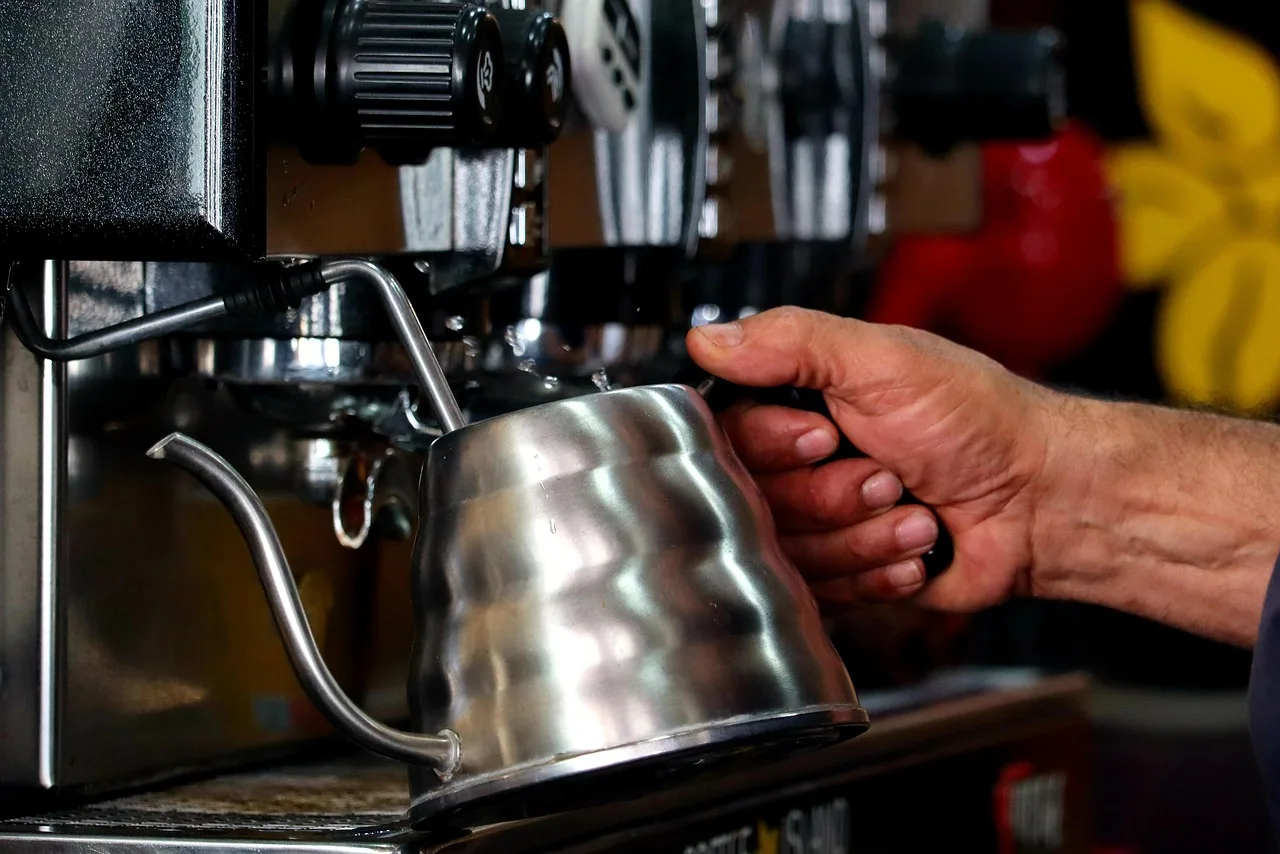
Days two through five move the trainee through the dish pit, milk rotation, date labels and the pastry case. Teach the espresso machine by parts rather than by buttons. Group heads, steam wands and gaskets each carry a daily or weekly cleaning job.
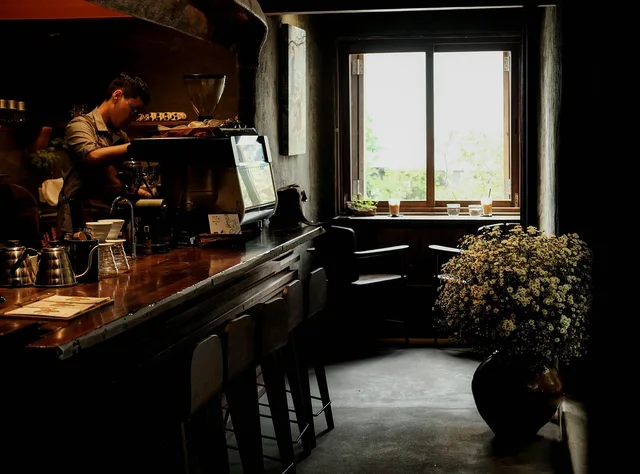
Finish the week with a walk of the bar. A trainee who knows why the bar sits where it does asks better questions later. Water supply, drainage and cleaning space are the constraints that decide which coffee station a shop chooses.
Week 2: Espresso, Milk and the Grind Log
Set a written target before the first shot. A common starting point is 18 g in and 36 g out in 25 to 30 seconds, adjusted to taste.
- Weigh the dose on a scale and write it down.
- Pull the shot and record the time.
- Taste it, then move the grind one step finer or coarser.
- Steam milk to about 60 C, wipe the wand and purge it before the next pitcher.
The log matters more than the numbers inside it. A trainee who records four shots a day learns to taste a drift in the grind before a customer does. Pair each new hire with the same trainer for the full week so the taste standard stays fixed.
Week 3: Register, Retail Shelf and Complaints
Register training starts with the point of sale screen: modifiers, refunds and the tip prompt. Set up a limited employee login for the trainee on whichever register the shop runs, whether that is Square, Toast or Clover, so refunds stay traceable. Most errors in week three are modifier errors, not math errors.
Then retail. A trainee who can walk a customer up a coffee price ladder sells more bags than one who only memorizes SKUs. Give them three tiers to name from memory, plus one sentence for the gap between them.
Complaints come next. Most returns are a short list of coffee complaints customers bring back, and each one has a cause the bar can test.
Teach the reply before the remedy. Ask what the drink tasted like, then offer a remake or a different drink. Never answer a complaint with an upsell. Keep a one page script at the register for the three complaints that recur most.
Week 4: Speed, Sign-Off and the Patio
Week four is about holding the standard with four people waiting. Time the trainee on a three drink order, then review the shots together.
Some shops fold outdoor seating into the week four routine. A coffee shop patio permit sets the clear path the trainee has to keep clear, and Toronto CafeTO asks for 2.1 m where Vancouver asks for 1.8 m. The opening routine carries whatever conditions your own permit states.
The last day is a full open and close with the trainer watching but not touching. Sign-off checklist:
- Opens the bar alone and logs refrigerator temperatures.
- Handles a refund without calling a manager.
- Names three retail tiers and the gap between each.
- Closes the patio and stores the furniture.
Example: a four week station map
Four week station map
| Week | Main station | Daily check | Sign-off |
|---|---|---|---|
| 1 | Bar back and dish | Milk and fridge temperatures logged | Trainer initials |
| 2 | Espresso bar | Grind log complete | Trainer initials |
| 3 | Register and retail shelf | One complaint reviewed | Manager initials |
| 4 | Full bar and patio | Open and close alone | Manager initials |