Guides
Denver Coffee Shop Operations: 7 Altitude Adjustments
Coffee shop operations in Denver benefit from seven altitude adjustments for roast development, brewing, grinder settings, water chemistry, and milk steaming.
What to take away
Coffee shop operations in Denver can use these seven distinct altitude adjustments as starting points:
- Roast development:Extend Maillard and post-first-crack development by 15 to 30 seconds, then drop at a slightly darker color.
- Charge temperature and airflow:Lower the charge temperature and reduce airflow early to retain moisture.
- Filter brewing:Start at 1:15 to 1:16, use 197 F to 201 F water, and adjust the ratio or grind by taste.
- Espresso extraction:Try a 1:2.2 or 1:2.5 ratio, use 198 F to 202 F water, and assess shot time and taste.
- Grinder and machine calibration:Recalibrate the grinder at the start of every shift, consider longer pre-infusion, and keep pump pressure near 9 bar.
- Water chemistry:Aim for alkalinity around 40 ppm as CaCO3 and hardness near 50 to 70 ppm.
- Milk steaming:Start with 38 F to 42 F milk, introduce less air, and stop at 140 F to 150 F without exceeding 155 F.
How Denver's altitude changes roast profiles
At 5,280 feet, atmospheric pressure is roughly 17 percent lower than at sea level. Water boils near 202 F instead of 212 F. That single fact changes how heat moves through a drum and how fast moisture leaves the bean.
Sea Level vs Denver Roasting
Sea Level
- Pressure
- Standard
- Boiling point
- 212 F
- First crack
- Later, hotter
- Crack gap
- Wider
- Development
- Standard
Denver (5,280 ft)
- Pressure
- 17% lower
- Boiling point
- 202 F
- First crack
- Earlier, cooler
- Crack gap
- Compressed
- Development
- Add 15-30 sec
Roasters in Denver typically see first crack arrive earlier and at a lower bean temperature than they would at sea level. The gap between first crack and second crack can compress, so a profile that worked in Portland may race past the development window here.
The practical fix is to stretch the Maillard phase and extend development time. Many Front Range roasters add 15 to 30 seconds after first crack, then drop at a slightly darker color to build sweetness and body. The goal is to avoid a baked, flat cup that reads thin because sugars did not develop.
Charge temperature and airflow matter too. A lower charge temperature gives the roaster more control through the drying phase, and reduced airflow early helps retain moisture. Roast profiles at altitude are not a single setting; they are a conversation with the batch size and the drum's thermal mass.
For cafes buying green coffee, ask the roaster for the drop temperature and development time on the profile. If those numbers were set at sea level, expect to adjust. This is one reason Denver's specialty scene has its own roast language.
Brew ratio and extraction adjustments at altitude
Brew ratio adjustment at altitude starts with the same question as anywhere: what does the cup taste like? But the variables shift. Lower pressure means water extracts slightly differently, and degassing happens faster, so beans rest less before they are ready.
Adjusting Brew Ratio by Taste
Cup tastes weak or sour?
tighten to 1:14 or grind finer
cup tastes bitter or dry?
For filter coffee, a common starting point in Denver is 1:15 to 1:16 coffee to water by weight, then adjust by taste. If the cup tastes weak or sour, tighten the ratio toward 1:14 or grind finer. If it tastes bitter or dry, loosen the ratio or coarsen the grind.
Espresso at high altitude often needs a longer ratio. A 1:2 in 28 seconds at sea level may taste underdeveloped here. Try 1:2.2 or 1:2.5 and watch the shot time. The puck resists differently when the pump works against lower atmospheric pressure.
Water temperature is the other lever. Because water boils at about 202 F in Denver, you cannot push brew temperature as high without flashing to steam. Keep filter brew between 197 F and 201 F, and espresso between 198 F and 202 F, then taste.
Record every change. A simple log with dose, yield, time, and tasting note turns guesswork into a repeatable recipe. That log also becomes the backbone of your inventory and sourcing guide when you decide how much coffee to order each week.
Grinder and espresso machine settings to recalibrate
Grinder calibration is the most frequent adjustment in a Denver cafe. Burrs wear, humidity swings from single digits to snowmelt, and the same setting drifts within a week. Calibrate at the start of every shift, not once a month.
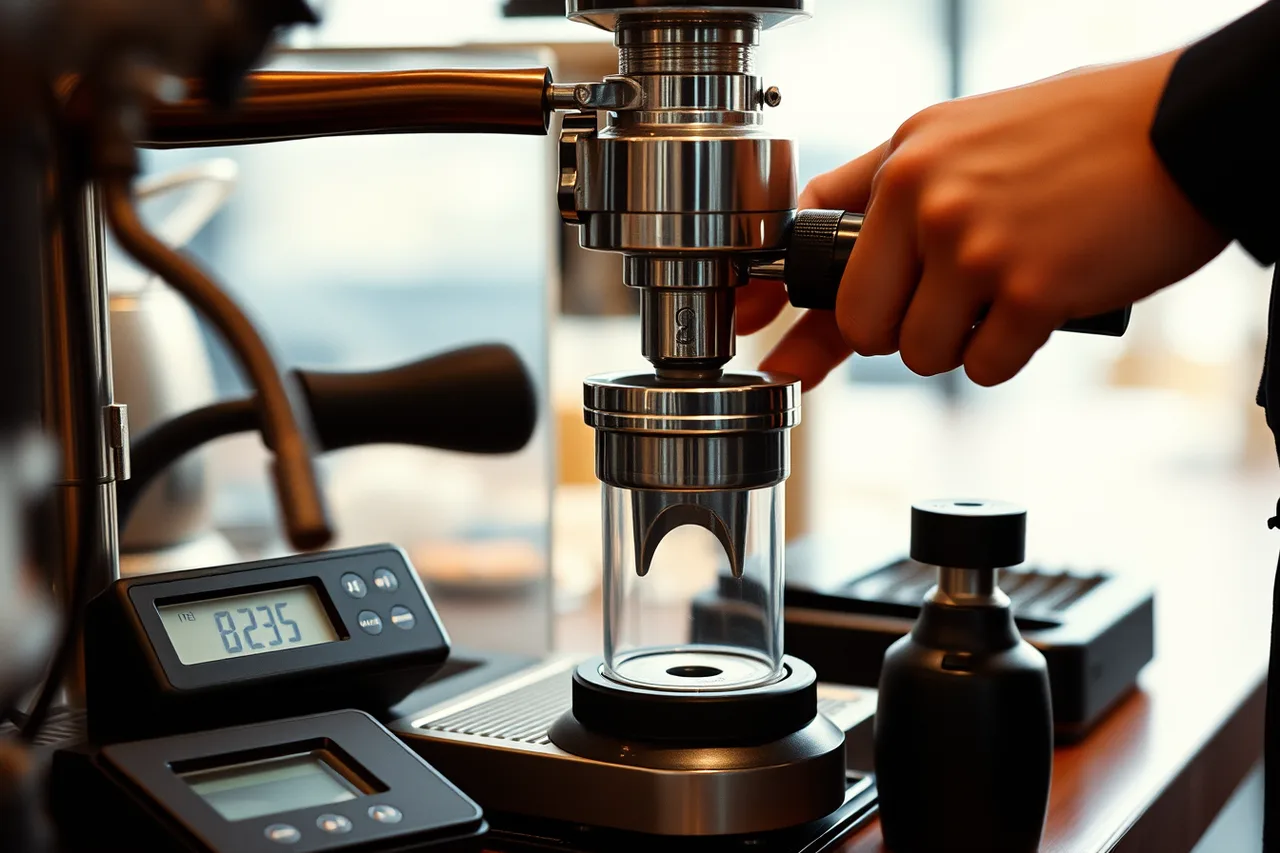
Start with a clean grinder. Purge a few grams, then weigh a dose. Pull a shot and time it. If the shot runs under 25 seconds, grind finer; over 32 seconds, coarsen. Change one variable at a time.
Espresso machine settings to check include pump pressure, brew temperature, and pre-infusion. At altitude, a slightly longer pre-infusion can help the puck saturate evenly before full pressure arrives. Keep pump pressure near 9 bar unless your roaster advises otherwise.
Steam boiler pressure also behaves differently. You may need a touch more pressure to generate the same steam velocity, but do not chase numbers blindly. Taste and texture are the final judges.
Keep a spare set of burrs and a calibrated scale on hand. When a grinder cannot hold a setting through a busy morning, it is usually telling you the burrs are dull or the adjustment collar needs service.
Water chemistry and its interaction with altitude
Denver's water comes from mountain snowmelt and varies by treatment plant. It is generally soft to moderately hard, with seasonal shifts in alkalinity. That matters because water is most of the cup.
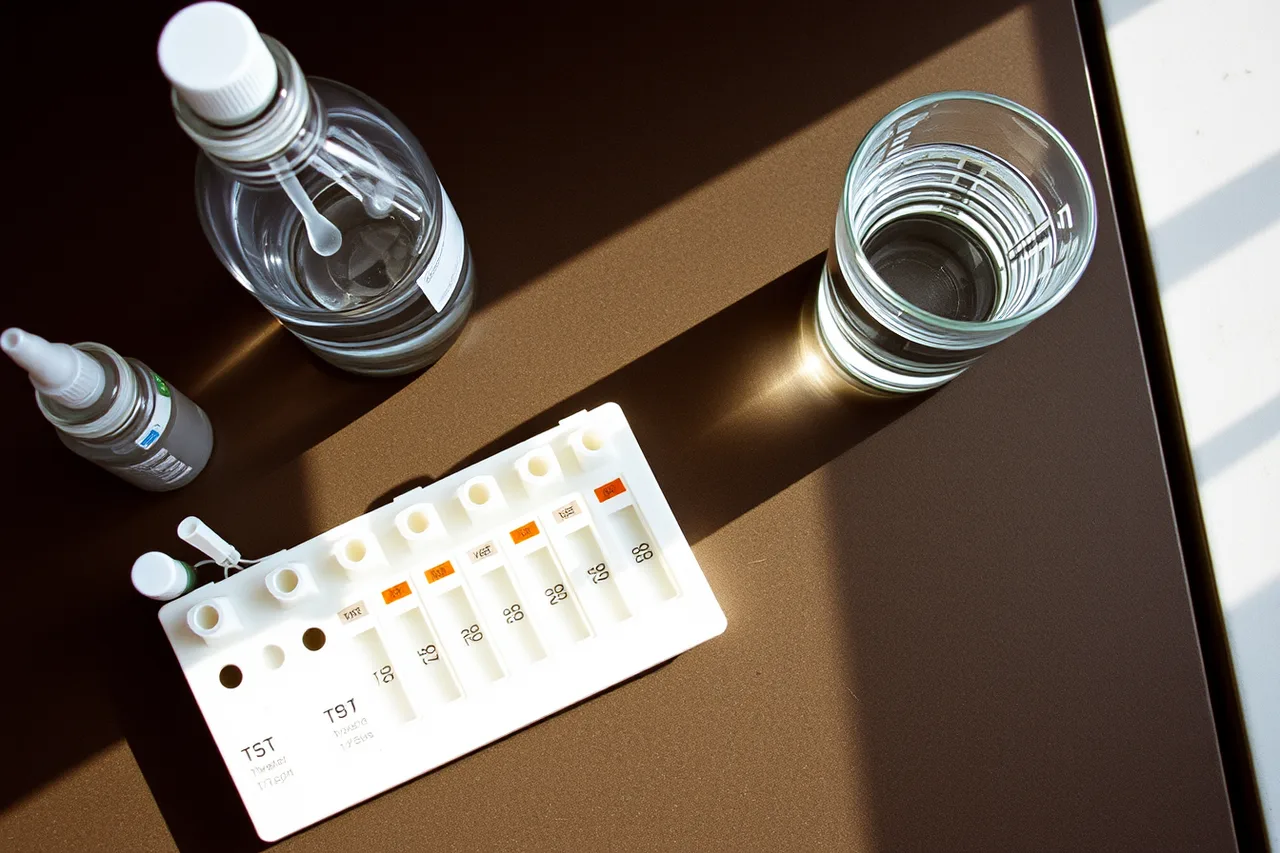
At altitude, the lower boiling point concentrates the effect of minerals. High alkalinity can flatten acidity, while too little buffer makes the brew taste sharp. Aim for total alkalinity around 40 ppm as CaCO3 and hardness near 50 to 70 ppm as a starting target.
Test your tap water quarterly, or more often if the source changes. A simple titration kit or a lab panel gives you numbers you can act on. If the water is far off, blend it with filtered or remineralized water.
Do not assume a softener solves everything. Softening removes calcium and magnesium but leaves alkalinity, which can still mute flavor. Reverse osmosis plus remineralization gives more control, though it costs more and needs monitoring.
Log water readings next to your brew recipes. When espresso tastes flat for no obvious reason, water chemistry is often the culprit. This is also where what a coffee shop keeps in stock intersects with quality: test kits and filters are consumables, not afterthoughts.
Milk steaming and texture at high elevation
Milk steaming at altitude is a texture problem before it is a temperature problem. Lower air pressure means steam enters the milk differently, and the window between silky microfoam and stiff foam narrows.
Start with cold milk, ideally 38 F to 42 F. Purge the steam wand, then introduce air in short bursts at the surface. In Denver, you often need less air than at sea level to reach the same volume, because the foam expands faster.
Keep the pitcher angled and the tip just below the surface once you begin the roll. Stop adding air when the pitcher feels body temperature, then submerge the tip and spin the milk until it reaches 140 F to 150 F. Do not exceed 155 F or the proteins scald and the texture turns chalky.
Oat and other plant milks behave differently again. They often need a lower steam pressure and a shorter aeration time. Test each brand you carry and write the settings on the pitcher station.
Consistency comes from repetition. Train every barista on the same pitcher size, the same milk, and the same target temperature. A weekly texture check, pouring a simple heart or tulip, exposes drift before customers notice.
Local Denver roasters and Colorado training resources
Denver's specialty coffee scene includes roasters who have built their profiles around altitude. Look for roasters who publish development time and drop temperature, and who will cup with you before you commit to a wholesale contract. Local names to know include Huckleberry Roasters, Corvus Coffee Roasters, Sweet Bloom Coffee Roasters, and Novo Coffee.
Colorado training resources range from roaster-hosted labs to formal courses. The Specialty Coffee Association offers modules in roasting, brewing, and barista skills, and some Denver roasters host SCA-certified training. Community college continuing education and local coffee meetups also run cupping and latte art sessions.
For the business side, the Small Business Administration provides free counseling and mentoring through its Resource Partners - Small Business Administration, including SBDCs and SCORE. You can also find free small business counseling & local mentoring -Small Business Administration for help with a cafe business plan.
Workplace safety obligations apply to cafes as they do to any employer. Review Laws and Regulations | Occupational Safety and Health Administration for the General Duty Clause of the Occupational Safety and Health Act and OSHA's Walking-Working Surfaces and Hazard Communication standards when addressing burn, slip, and chemical hazards.
If you are building a menu, coffee shop products, rated on evidence can help you separate useful equipment from hype. And when you hire, a locations for coffee shop checklist keeps onboarding consistent.
A separate calibration routine for new Denver cafes
A routine beats intuition. Here is a worked example for a new cafe opening in RiNo with a two-group espresso machine and a batch brewer.
A calibration routine
- Start the day by testing waterrecord alkalinity, hardness, and TDS. Adjust the filtration bypass if readings drift from your target.
- Calibrate the espresso grinderpurge, weigh a 20 g dose, pull a shot, and time it. Adjust grind until you hit your target yield in 27 to 30 seconds.
- Taste the shot and record the note. If it is sour, extend the ratio or raise temperature slightly; if bitter, shorten the ratio.
- Brew a batch of filter coffee at 1:15.5 and taste at three temperatures: hot, warm, and cool. Adjust grind or ratio for the cool cup, which reveals more.
- Steam a pitcher of milk and pour a test drink. Check texture and temperature, then note the steam wand setting.
- Log every number in a shared sheet, and repeat the full routine weekly and after any bean change.
Use a checklist at the bar so no step is skipped:
Daily Calibration Checklist
- Water readings recorded and within target
- Espresso grinder calibrated and shot timed
- Filter brew ratio and grind verified
- Milk texture and temperature checked
- Bean rest date and roast profile noted
- Cleaning and safety tasks signed off
The routine takes about 30 minutes. It pays back in fewer refunds, fewer remakes, and a cup that tastes the same on Tuesday as it did on Saturday. For the products that support it, see coffee shop products and packages.